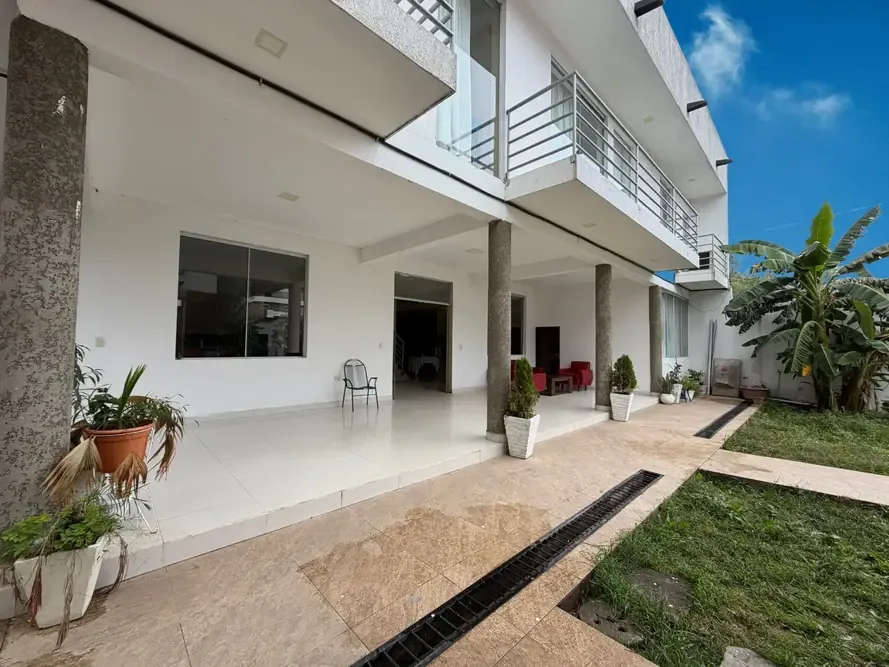
Santa Cruz: growth, heat, and an active routine
Santa Cruz de la Sierra has a large property market with detached houses, new apartments, and many gated communities. Daily life changes sharply by ring road, avenue, and bridge. Living near work or school may be worth more than gaining space far from your regular routes.
Check drainage, shade, ventilation, traffic, and car dependency. Equipetrol supports an urban routine; the north contains many projects; western districts are more established; Urubó offers space with different logistics. They should not be treated as interchangeable options.
La Paz: altitude, slope, and very different districts
In La Paz, orientation, sunlight, and slope directly affect a home. Two properties that look close on a map can require completely different access and travel. Test the route at the hour when you will actually use it.
The South Zone attracts many searches for its climate, services, and residential options, but each sector has its own connections and topography. Inspect stairs, garages, retaining walls, drainage, and transport. A view does not fix an access route that fails your routine.
Cochabamba: urban balance and metropolitan expansion
Cochabamba combines apartments and houses in established areas with growing supply in neighboring municipalities. That variety can deliver more space, but buyers need to confirm municipality, utilities, water, roads, and travel time. A neighborhood label in an ad may cover a wider area than expected.
Queru Queru, Cala Cala, Sarco, Tiquipaya, and other areas support different routines. Visit the street, not only the district. Orientation, dust, shops, noise, and access can change within a few blocks.
Tarija: a smaller scale with more focus on connections
Tarija appeals to people who value a slower pace and homes with patios or land. There are fewer public comparables, so verifying price and availability takes more calls and visits. A national average is not a useful basis for an offer.
If you consider San Lorenzo or an outlying area, confirm utilities, road condition, internet, and travel time to health care, shopping, and work. Peace and space are valuable only when the daily connection works too.
Try the city before you buy
Rent first if you do not yet understand the neighborhoods or if your work may change. Live through normal weeks rather than a vacation. Measure travel, climate, noise, expenses, and how often you actually use the services that looked important from abroad.
Then compare properties inside the chosen city. A national relocation decision and a housing decision are two separate steps. Solving them separately reduces the chance of buying a good house in a city that does not fit your life.
- Test regular trips at realistic times.
- Compare renting and buying before committing capital.
- Review health care, education, connectivity, and support networks.
- Choose the neighborhood after choosing the city.
This guide provides general information, not legal, tax, financial, or investment advice. Confirm current requirements and get advice for your specific transaction.