Define an honest search radius
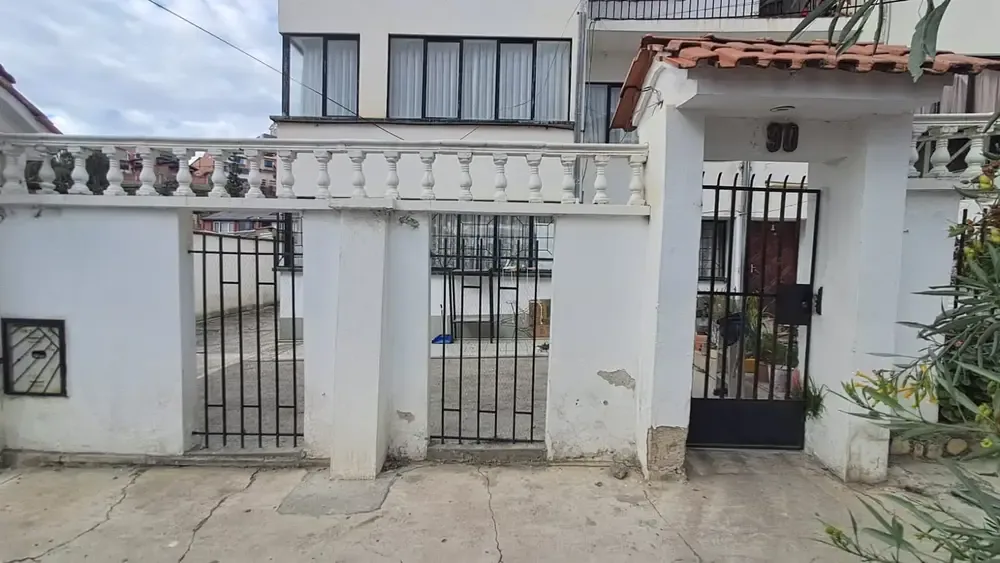
A house in Achumani, Cota Cota, Irpavi, Mallasilla, or Alto Obrajes may solve very different needs. List the family's unavoidable journeys and test them at the hours they occur. A larger home loses its appeal when every trip depends on one congested road or a steep approach that becomes difficult in poor weather.
Pay attention to the final block. Road condition, turning space, garage slope, and visitor parking are part of the experience even when they lie outside the wall. If an ambulance, moving truck, or service vehicle would struggle to arrive, you want to know before becoming attached to the garden.
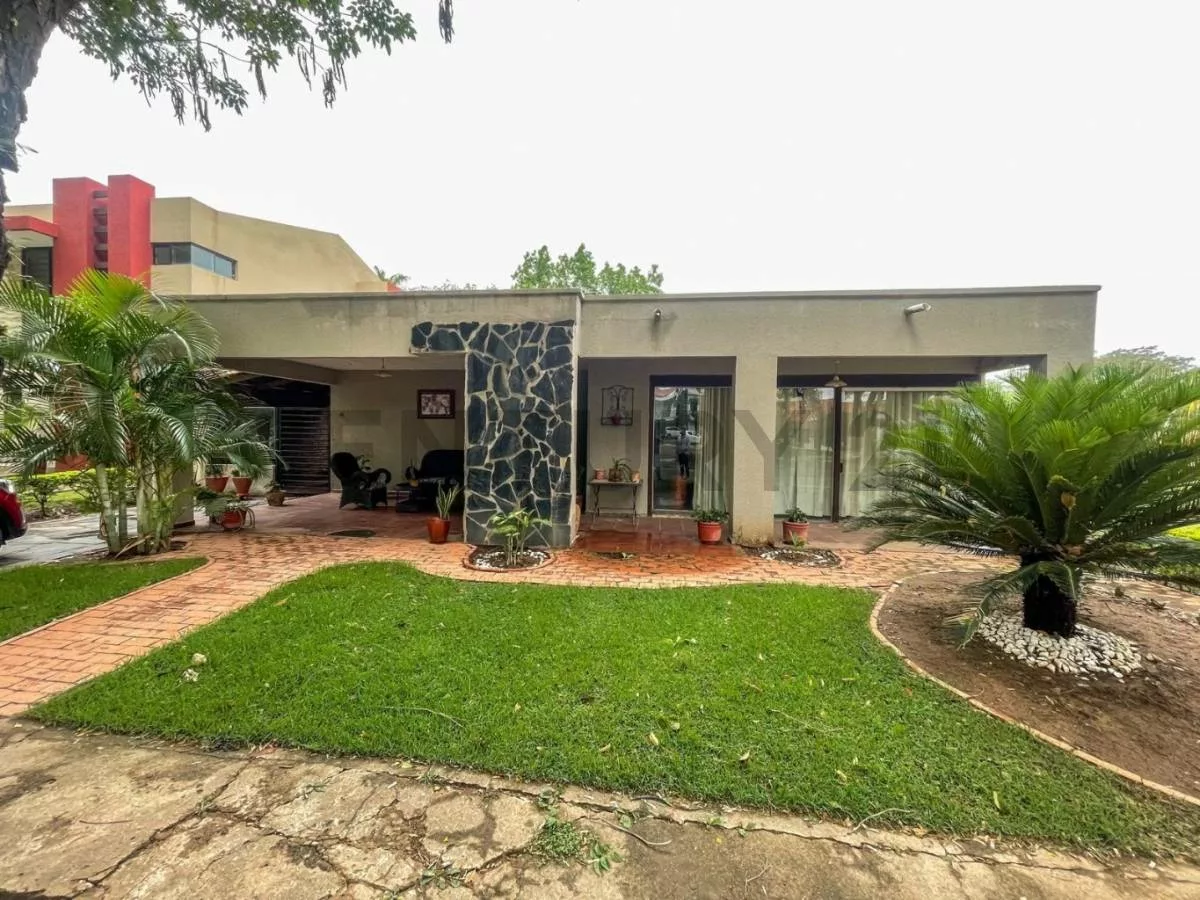
Land, walls, and drainage come first
Walk the entire perimeter and look for diagonal cracks, leaning walls, persistent damp, and visible fill. Ask which parts of the lot were cut or filled and whether structural plans exist for retaining walls. Fresh paint does not explain why a crack appeared. When there are warning signs, hire an independent professional.
Watch where water travels from roofs, patios, and neighboring lots. Gutters should discharge in a controlled way, and drainage should not rely on a single small grate. Visit after rain if the purchase progresses. Water leaves honest evidence on baseboards, garages, gardens, and wall junctions.
Sun exposure varies inside the same house
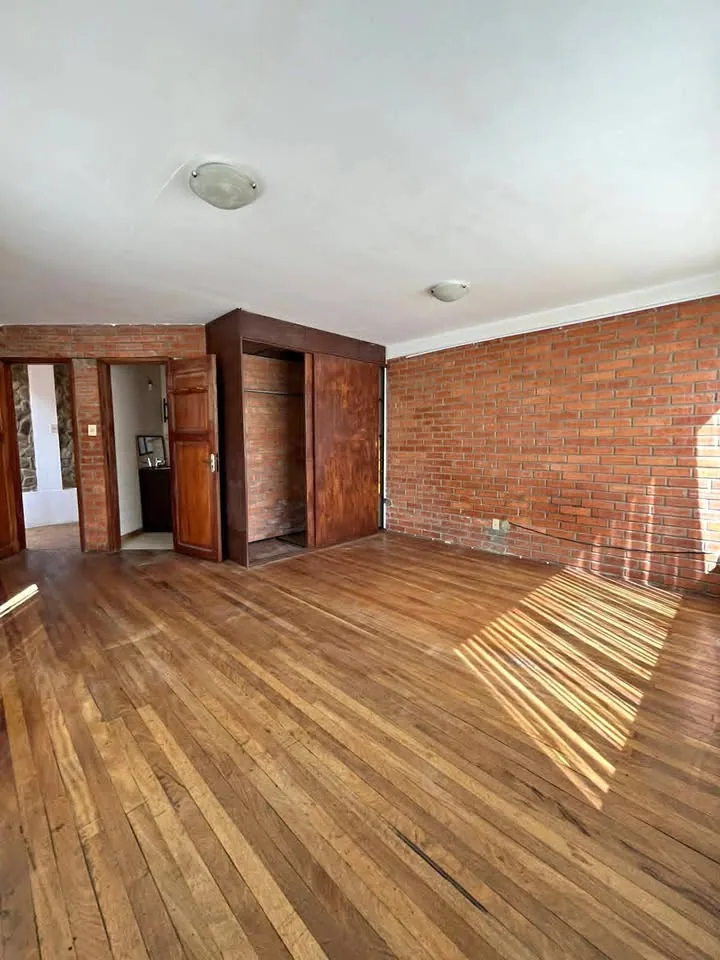
A large home may still have cold bedrooms when orientation and surrounding buildings work against it. Identify which rooms receive sun and for how long. On a sloping lot, the lower floor may sit against the soil and require extra ventilation, waterproofing, and heating.
Inspect windows, seals, and suspended ceilings. Condensation, stale odors, and marks behind wardrobes often point to ventilation or temperature problems. Ask about winter gas and electricity use. The cost of keeping a large house comfortable belongs in the budget from the beginning.
Original construction and later additions
Many La Paz houses grow with the family. Owners add rooms, floors, garages, or independent apartments. Request approved plans and compare them with what stands today. A useful addition may be unregularized, which can delay a mortgage, complicate transfer, or require later municipal work.
Where a house contains independent units, check services, access, and meters. Decide whether you intend family use, an office, or rental, and verify that the use fits municipal and neighborhood rules. Do not treat potential rent as guaranteed before examining demand, cost, privacy, and legal status.
Calculate the cost of keeping the property
The purchase price is only the entry point. Add roofs, facades, waterproofing, garden care, pumps, heating, and any wall that needs monitoring. Ask for invoices from recent work and the name of the contractor. A documented repair is more reassuring than a claim that the problem never returned.
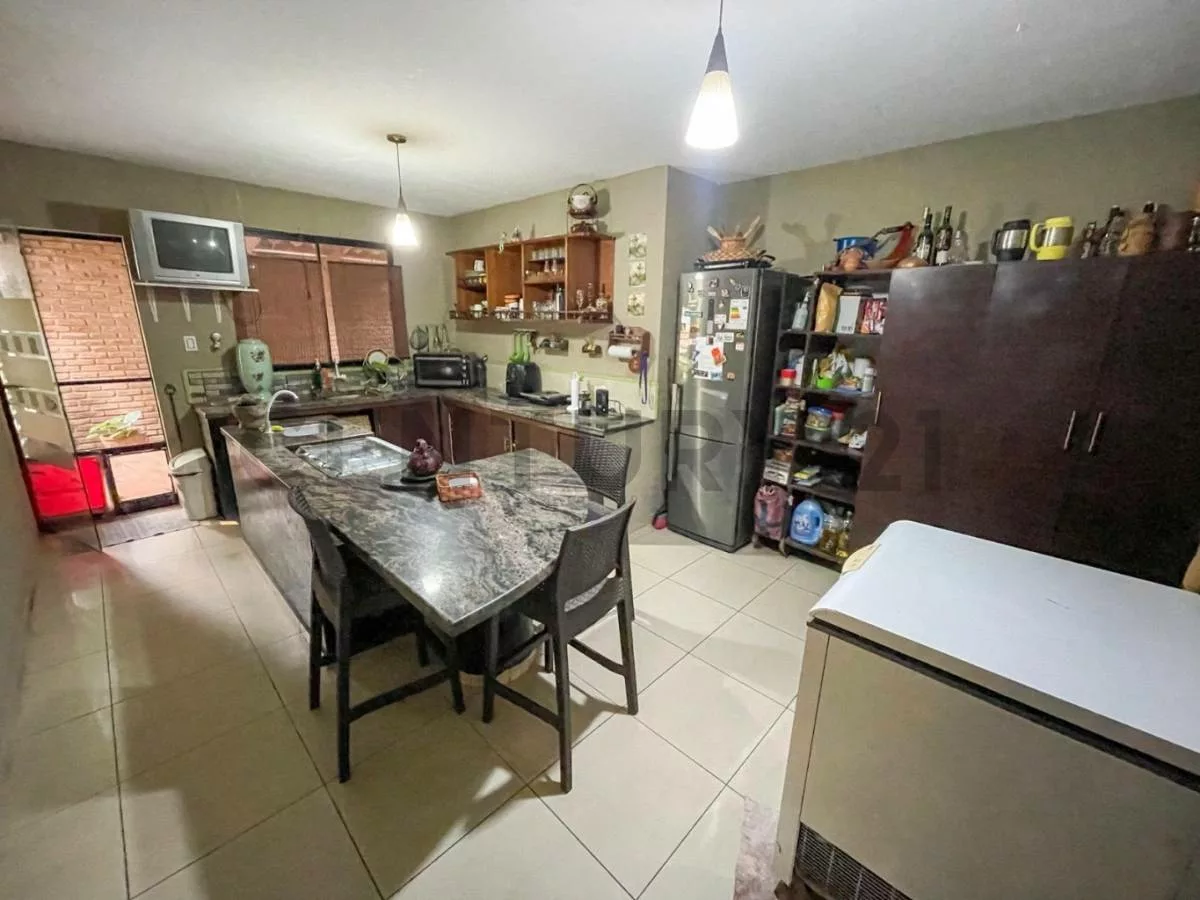
Separate optional improvements from necessary repairs. A kitchen can wait, but a leak beside electrical wiring cannot. An architect or inspector can translate observations into a budget and schedule. That information also improves negotiations because it replaces general impressions with specific costs.
Title, boundaries, and payment
The Folio Real, approved plan, and cadastral certificate should describe the same property. Check area, boundaries, owner name, and liens. If walls, access, or garages are shared with neighbors, request documented agreements instead of relying on a long-standing family custom.
Make the reservation conditional on satisfactory document review and financing when needed. State the price, currency, conversion reference, schedule, and included items. The land registry publishes a basic purchase-registration list, but an individual house history may add powers of attorney, estates, lien releases, or other steps.
Coordinate technical and legal review so neither runs in isolation. A house may be physically sound and have a disputed boundary, or carry clean title while requiring expensive work. Negotiate the final terms only when both assessments are available. Keep an additional reserve for the first winter, when moisture, heating, and drainage reveal how the property actually performs.
Ask about available home insurance and its scope as well. Topography, access, and construction type may affect coverage and cost. Require any special condition in writing. Insurance will not correct a known risk, but the insurer's questions can expose issues you have not yet considered.
- Inspect the land, walls, and drainage with technical help.
- Compare approved plans with every existing addition.
- Budget for maintenance, not only renovation.
- Verify boundaries, ownership, liens, and shared access.
This guide provides general information, not legal, tax, financial, or investment advice. Confirm current requirements and get advice for your specific transaction.