Choose the city and your daily radius
Comparing a Santa Cruz house with a La Paz house on price alone produces weak conclusions. Lot patterns, topography, climate, mobility, and available supply differ. Start with where your week happens and which trips cannot be avoided.
Then define the search radius in travel time rather than kilometers. Test access during busy hours, check transport, and inspect the final approach. A large home loses personal value when every trip depends on a difficult or congested route.
Separate the lot, building, and condition
Record lot area and built area separately. Compare age, structure, roof, utilities, moisture, and renovations. A cheaper home may require immediate capital, while a renovated one can hide cosmetic work over aging systems.
Do not apply one price-per-square-meter figure across the country. Land and construction behave differently, and location changes both. Build a set of comparables from the same area and format, confirm availability, and remove duplicate listings.
Street house or gated community
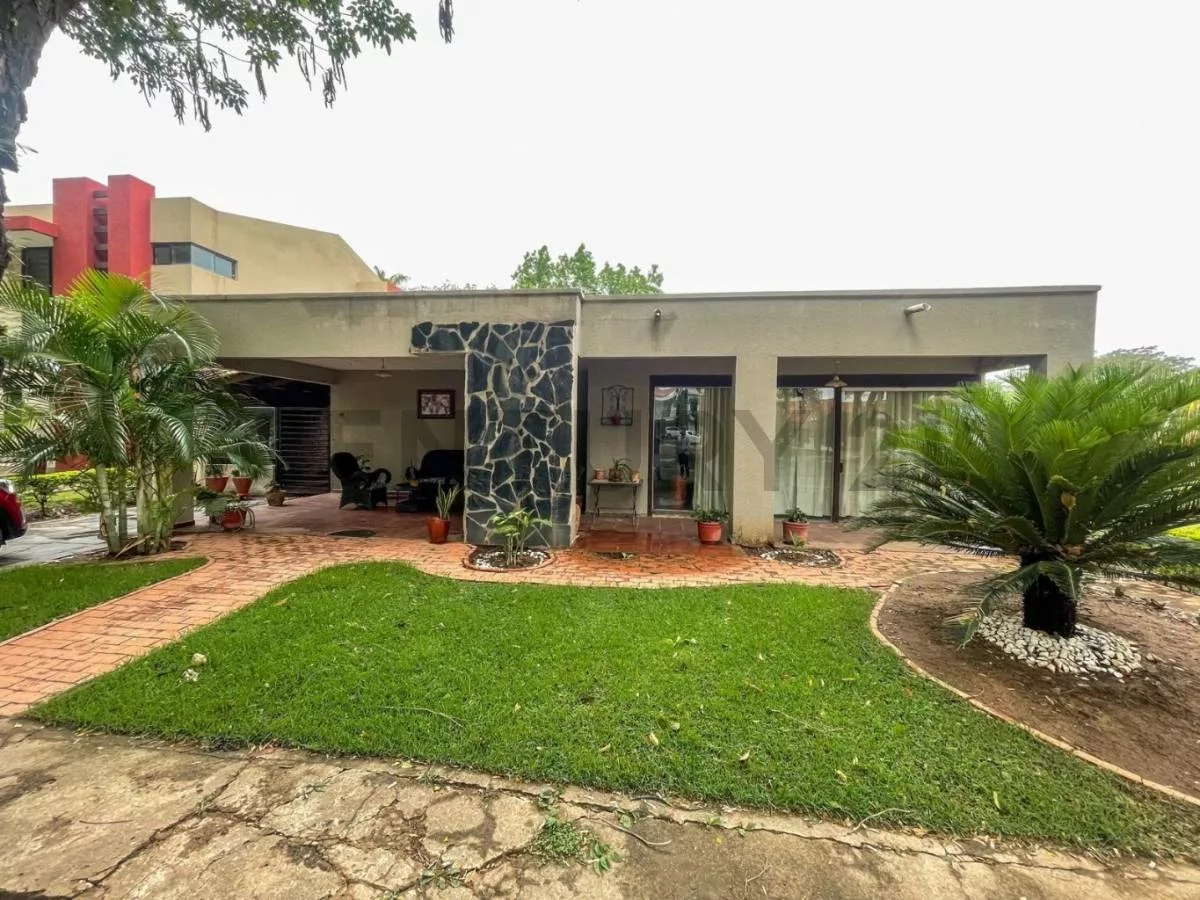
A detached street property gives you more control over additions, maintenance, and use. It also leaves security, drainage, frontage, and repairs in your hands. A gated community shares part of that operation but introduces rules, monthly fees, and collective decisions.
Request the rules, current charges, recent meeting records, and any special assessment. Confirm which areas are private, common, or assigned for exclusive use. A pool or gatehouse adds value only when the community budget can maintain it.
Check documents before paying a deposit
Ask for a current Folio Real, deed, approved plans, cadastral information, taxes, and seller identification. Compare area, owner name, registration number, boundaries, and address. If the house was expanded, ask whether the work is regularized and how it affects transfer or financing.
A deposit agreement should identify the property, parties, price, currency, deadlines, pending documents, and refund terms. Urgency is not a substitute for review. A good property remains good after an independent lawyer checks the paperwork.
- Visit in daylight, after dark, and after rain when possible.
- Test water, drains, electricity, and internet signal.
- Estimate repairs with quotes rather than instinct.
- Clarify who pays taxes, registration, and professional fees.
Turn listings into a short list
Select five to eight genuine comparables. Record original price, date, area, condition, costs, and source. Call to confirm availability before planning visits. This removes stale listings and reveals when a price difference has a real explanation.
Update the same table after every visit. Memory favors an attractive kitchen and forgets noise, roof condition, or distance. A written comparison supports a reasoned offer and makes it easier to leave a bad deal behind.
This guide provides general information, not legal, tax, financial, or investment advice. Confirm current requirements and get advice for your specific transaction.