Why a national average fails
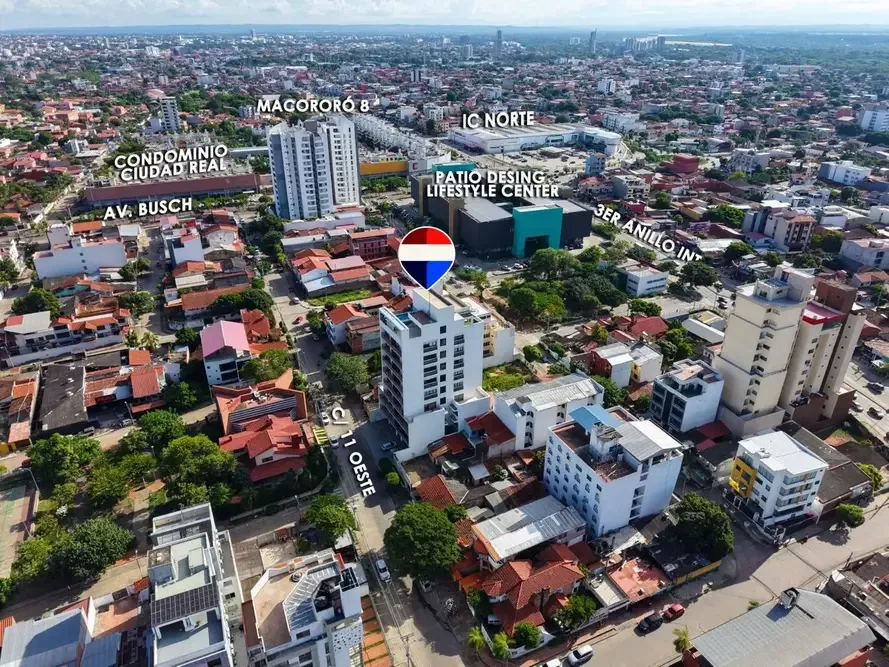
A family house in Santa Cruz, a slope property in La Paz, a lot and building in Cochabamba, and an urban home in Tarija do not share the same value structure. Even within one city, moving across an avenue or municipal boundary can change access, services, planning rules, and demand.
Portals show asking prices rather than confirmed closing amounts. They also mix fresh listings, old advertisements, duplicates, and homes with different documents and condition. An average calculated from that unclean supply may look precise while being far from the amount negotiated for a specific house.
Define the house you are pricing
Write a brief before looking at prices: city, area or radius, minimum lot, built area, bedrooms, parking, age, and condition. Add whether you will accept a gated community, unpaved street, renovation, or mixed use. This prevents comparisons between a move-in home and a property whose principal value is the land.
Use ranges instead of one rigid figure. Allow some variation in area and age while keeping location and condition stable. When every criterion is open at once, the sample gets larger and less relevant. Ten sound comparable listings teach more than one hundred different properties.
Separate land and construction
Dividing a house price only by built area produces strange results because it ignores the lot. Dividing only by land area misses valuable construction. Estimate the portion associated with location and land, then consider what the building contributes after age and condition.
New construction is not automatically worth its replacement cost. The plan may be poor or the materials may not suit local buyers. An old house is not automatically worthless. Structure, timber, garden, and generous rooms can retain value when maintained. Analysis requires observation, not an automatic deduction.
Currency and payment terms in 2026
In Bolivia's currency environment, preserve the original currency of every listing. A dollar price may require dollars, accept bolivianos at an agreed reference, or allow a combination. Do not convert the whole sample with one assumption when sellers may accept different terms.
Ask directly which currency is required, which reference applies, when it is fixed, and how each installment will be paid. The answer is part of the price. Reservation and purchase documents must remove ambiguity. An attractive number with uncertain conversion is not a usable comparable.
From asking price to complete cost
Add transfer taxes as applicable, notary, registry, legal review, appraisal, moving, and repairs. With a mortgage, include financing expenses and insurance requirements. In a gated community, add fees and special assessments. For a street house, reserve funds for roofs, paint, gardens, and security.
Create two columns: cash needed to close and first-year cost. The second reveals properties that consume too much capital after signing. It also permits a fair comparison between an expensive maintained home and a cheaper house requiring work. Your budget needs to survive the day after purchase.
Build a defensible range
Save eight to fifteen genuinely comparable listings and confirm that they remain available. Remove duplicates. Record date, original price, area, condition, and apparent time on market. Calculate a median and range, but read each case. The cheapest and most expensive homes often reveal which factors move the market.
Then visit at least three. Listings do not show smell, noise, access, cracks, or street quality. Adjust the range using observations and real repair estimates. For financed purchases, the bank appraisal supplies another reference, but it does not replace your analysis or force the seller to accept the amount.
- Compare one city, area, and house type at a time.
- Keep the original currency and ask about payment.
- Remove duplicate and stale advertisements.
- Add closing, repairs, and first-year maintenance.
The right figure is one you can explain
A good range does not promise nationwide precision. It shows which homes you used, on what dates, and how you adjusted for land, condition, and location. Refresh it when a search lasts several weeks because supply and seller terms change.
When a house sits far outside the range, investigate before dismissing or chasing it. There may be exceptional land, debt pressure, incomplete documents, or simply an optimistic asking price. Understanding the difference is more useful than repeating an online average.
This guide provides general information, not legal, tax, financial, or investment advice. Confirm current requirements and get advice for your specific transaction.