City, edge, or nearby valley
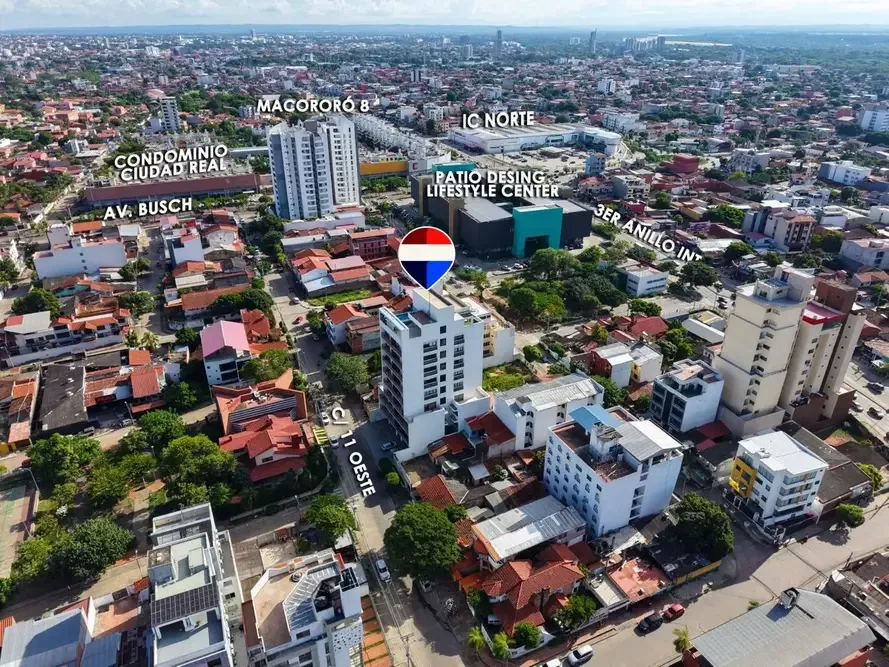
A house inside the urban area and one toward San Lorenzo or an expansion corridor may carry the same price and require opposite routines. Confirm the exact municipality, community, or neighborhood rather than relying on the listing reference. Test travel to work, school, health care, and shopping during a normal week.
Drive the final stretch after rain and after dark. Pavement, lighting, road width, and transportation affect everyday use and later resale. If you want peace, confirm that it does not depend on isolation. If you want convenience, listen to the street when it is actually active.
Land, frontage, and practical use
Record lot size, built area, frontage, and shape. A long narrow site may limit parking or later division, while a corner gains entrances but also exposure and setback obligations. Request the approved plan and locate boundaries on the ground.
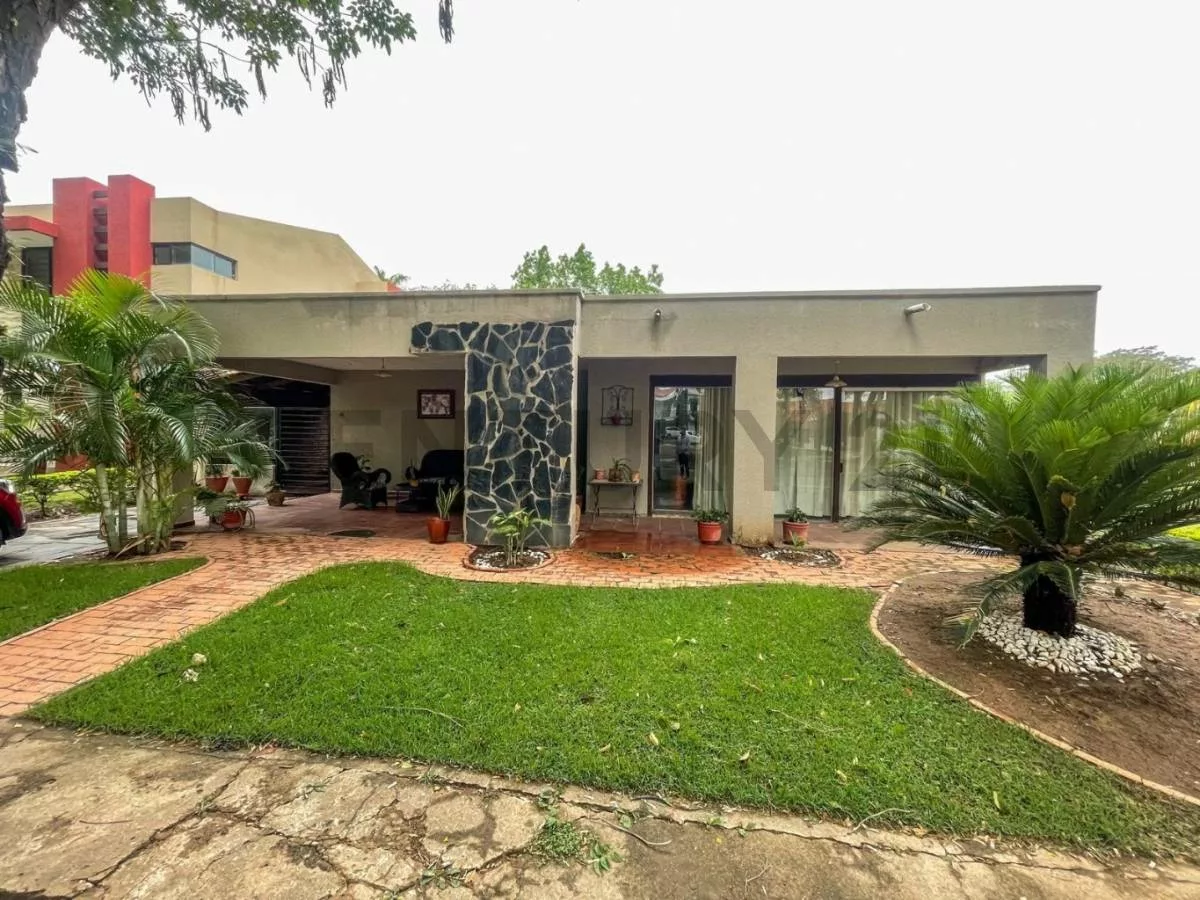
If you imagine a garden, food plot, grill area, or second unit, check what municipal rules permit. Do not pay today for an addition that exists only as an idea. Consider orientation and shade. A patio that is attractive at noon may be cold in winter or exposed to constant wind.
Water, sewer, and other utilities
Ask about water source and continuity, tank capacity, and pump condition. In outlying areas, confirm every service independently: electricity, gas, sewer, internet, and collection. The phrase 'all utilities' should become visible connections and recent bills.
Run several taps, inspect drainage, and look for damp in bathrooms, kitchens, and patios. Where there is a well, septic chamber, or shared system, request information on permits, maintenance, and location. The cost of completing infrastructure can transform the economics of an apparently inexpensive house.
Cold, sun, rain, and construction
Tarija's climate makes sunlight and protection from cold nights important. Visit bedrooms and living areas in the morning and late afternoon. Inspect window seals, roofs, ceilings, and wall junctions. A sunny home feels different and often needs less heating.
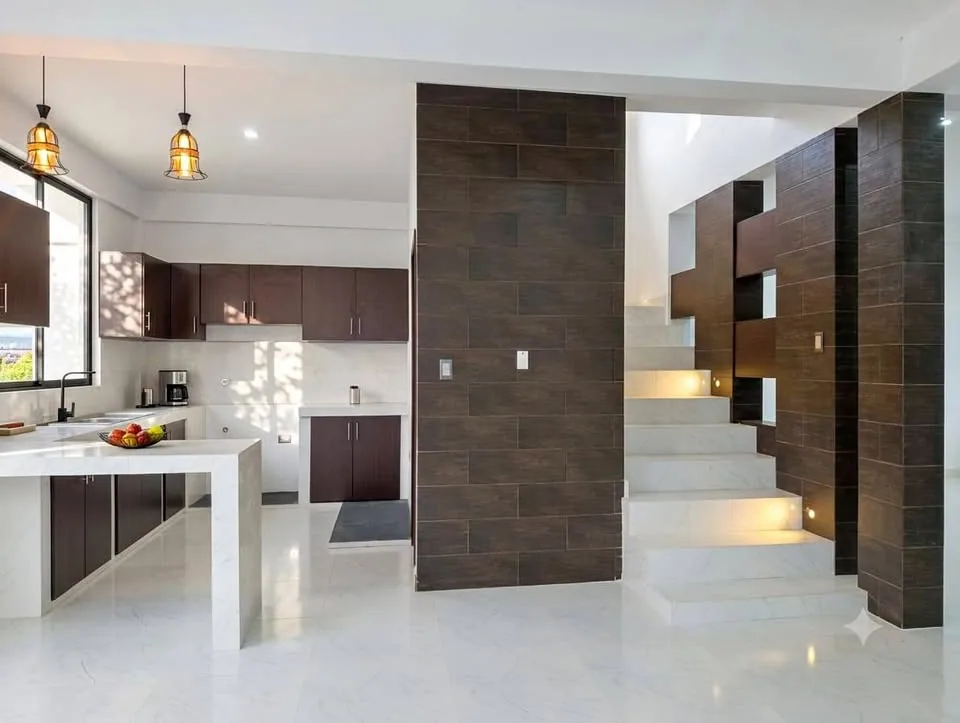
During wet weather, look at gutters, patio slopes, and discharge to the street. Search for marks under roofs and around terraces. With a new home, do not confuse fresh finishes with proven construction. Request warranties, service plans, and builder references where available.
Asking price and move-in cost
Compare houses in the same area with similar lots, age, and quality. Dollar and boliviano listings should be evaluated in their original currency with clear payment terms. Ask early which conversion reference the seller will accept. Do not negotiate a number until both parties agree what that number means.
List immediate repairs, first-year improvements, and transfer expenses. Add fencing, moving, and equipment for an empty home. The property with the lowest headline price may consume more cash in the first six months than a better-maintained alternative.
Documents before a reservation
Verify the owner's identity, Folio Real, area, boundaries, liens, taxes, and plan. If the house was extended, compare the physical building with approved documents. Rural property or land near an urban boundary may involve a different history and authorities, so professional review should begin early.
A reservation must clearly identify the property and explain price, currency, timing, document review, and refunds. Do not deliver funds based only on copies sent through messaging. The land registry list is a useful baseline, while the particular history may add estates, powers of attorney, or lien releases.
For property beyond the city, request coordinates and confirm that the plan matches the place visited. Ask neighbors about access, water, and boundaries without treating their account as a substitute for records. Before closing, agree on an inventory, meter readings, and a delivery date. Handover should include keys, remotes, equipment documents, and contacts for any shared service.
Consider the eventual exit too. A heavily personalized house with difficult access or incomplete services may take longer to sell. That does not make it a bad home when it suits your life, but it should affect the purchase price and the amount invested in improvements that a later market may not recognize.
- Confirm jurisdiction, access, and each utility separately.
- Measure the lot, frontage, building, and setbacks.
- Inspect sunlight, roofs, moisture, and drainage.
- Compare complete cost and documents, not only price.
This guide provides general information, not legal, tax, financial, or investment advice. Confirm current requirements and get advice for your specific transaction.