Define what you want to build or preserve
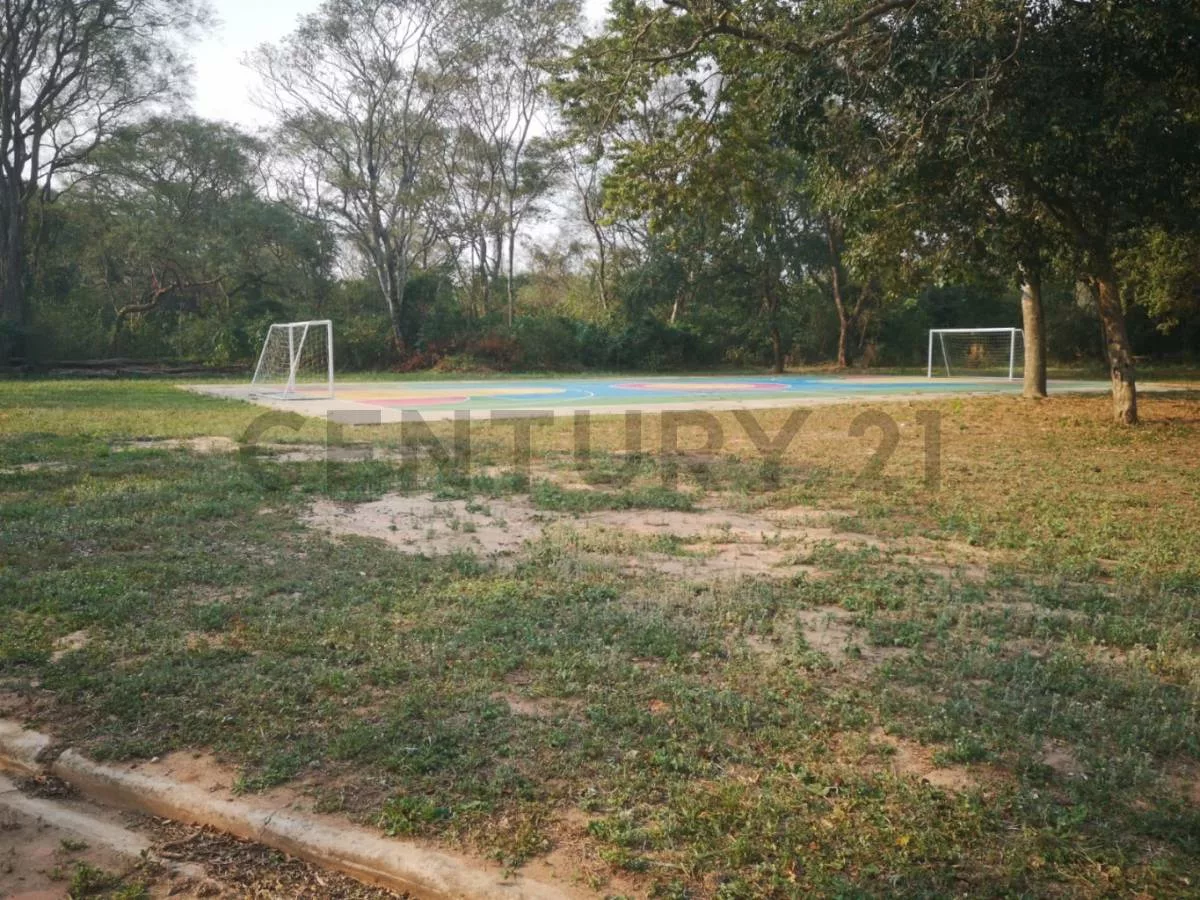
An urban home lot, a plot in a development, and rural acreage require different analysis. Define use, project size, timing, and budget. Do not buy first and ask later whether the use is permitted or services will arrive.
Confirm the municipality, jurisdiction, and classification. Urban, agrarian, and environmental rules are not interchangeable. If land is marketed as productive, touristic, or suitable for subdivision, demand specific evidence.
Identify the land in records and on the ground
Compare registration number, title, plan, cadastre, area, and boundaries. Walk the limits with someone able to locate them and inspect occupation, fences, roads, and neighboring construction. A map pin sent by message does not prove the legal shape of the parcel.
When measurements or markers are unclear, consider a professional survey. Price per square meter means little when you do not know how many meters you are buying or where they end.
Legal access and practical access
Reaching a property by road does not prove a registered access right. Review public-road frontage, easements, and continuity. Visit after rain and test whether construction, utility, and emergency vehicles can enter.
Ask who maintains the road and what projects may change it. A cheap lot may shift cost into fill, drainage, bridges, walls, or road opening. Add those works before comparing prices.
Promised utilities and available utilities
Separate an installed network, technical feasibility, planned project, and sales promise. Verify water, sewer, electricity, internet, and drainage through the relevant operators or documents. A nearby line does not guarantee an immediate or inexpensive connection.
For a development, request approvals, timetable, developer obligations, and delivery conditions. A rendering is not a substitute for a resolution, approved plan, and contract.
- Verified registration and ownership.
- Boundaries located on the ground.
- Documented legal access.
- Confirmed use and building parameters.
- Real cost of utilities and site preparation.
Calculate the cost of turning land into a project
Add studies, survey, design, permits, earthworks, retaining walls, connections, fencing, and security. A low-priced lot can become expensive when it needs years of infrastructure or special ground solutions.
Make the purchase conditional on legal and technical review proportionate to the project. Land cannot be returned because the design does not fit or access was not what you expected. The best opportunity still works after measurement and documentation.
This guide provides general information, not legal, tax, financial, or investment advice. Confirm current requirements and get advice for your specific transaction.