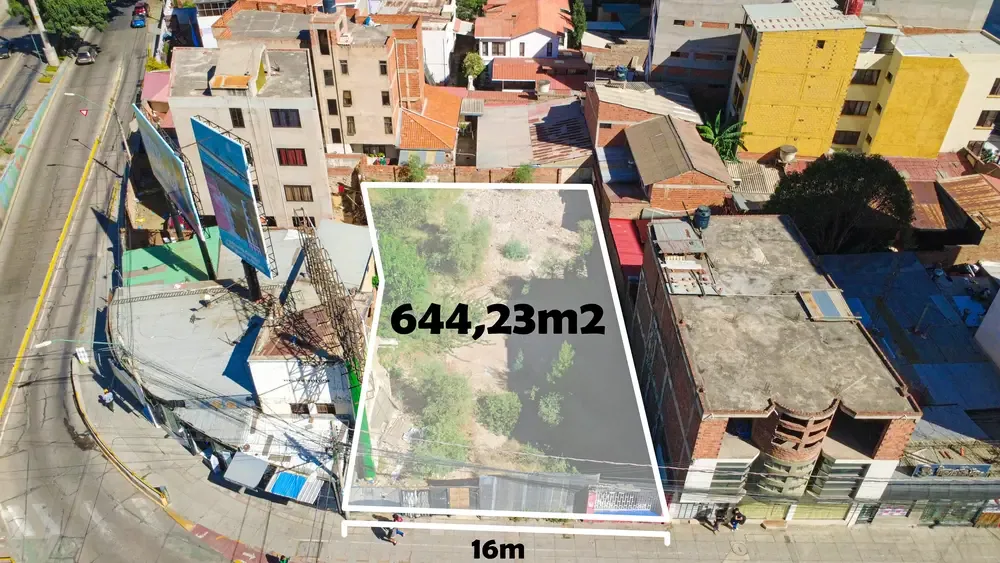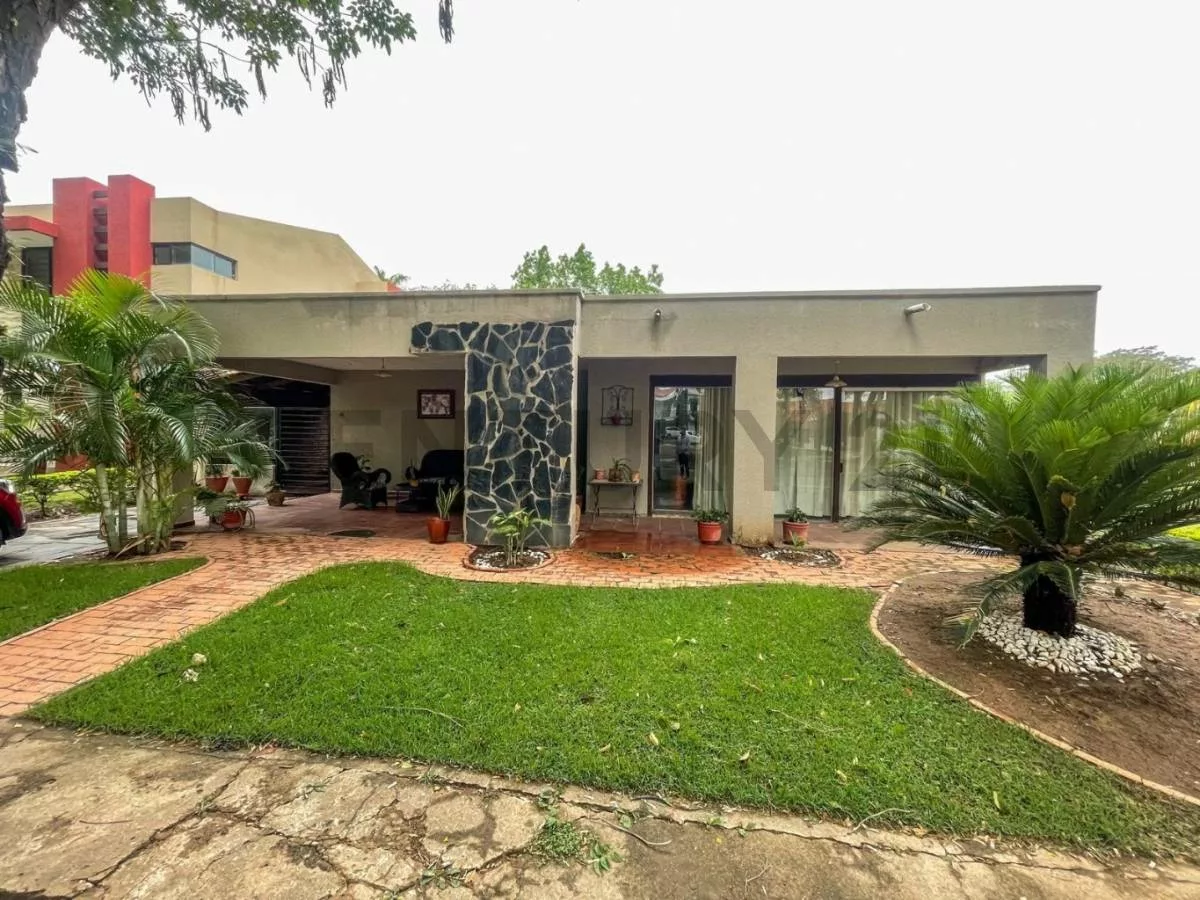
Location before construction year
New houses often cluster in expansion corridors and gated communities, while used homes appear more frequently in established neighborhoods. Compare travel, pavement, drainage, transport, schools, commerce, and services. Fresh finishes cannot compensate for a routine taking two extra hours.
Visit at different times and ask what will be built nearby. A growing area may improve access and value, but can spend years with construction, dust, and few services. In an older area, review changes in use, traffic, and infrastructure renewal. Age does not guarantee a location's future.
Land and layout
A used property may offer a larger lot, trees, and generous rooms while containing long corridors or service spaces that no longer fit. New homes often optimize area and reduce gardens. Draw how the family would live in each plan instead of automatically rewarding size.
Separate land and built area. Measure parking, bedrooms, kitchen, and patios. Consider furniture and extension potential. In a gated community, the visible garden may be common space and works may be restricted. In an older house, an existing extension may lack municipal approval.
New property needs inspection too
An unused home may have cracks, poor falls, leaks, weak pressure, or faulty equipment. Test everything and prepare a completion list. Ask for written structural, waterproofing, service, and equipment warranties with duration, responsible party, and claim process.
Review the builder's reputation and earlier projects. Speak with owners who have taken delivery. Preconstruction and future sale require additional checks on the contract, land, permits, payments, and handover. Supreme Decree 4732 regulates abusive clauses and practices in these forms.
Used property reveals its history
An occupied home shows how it drains, ages, and consumes. Request utility bills, repair invoices, roof maintenance, and moisture history. Look behind furniture, inside panels, and under sinks. A documented history carries more weight than a recent cosmetic renovation.
Commission an inspection when the amount or signs justify one. Distinguish ordinary wear, a repairable defect, and a structural problem. Estimate the remaining life of roofs, services, pumps, air conditioners, and heating. Used property is not one risk category; maintenance and inspectability matter.
Documents for each alternative
For a new house, confirm land ownership, permits, final plans, cadastre, taxes, utilities, and registration of the exact property. Physical delivery does not mean documentation is complete. In a building or gated complex, verify individualisation and horizontal property.
For a used home, review the ownership chain, current Folio Real, liens, taxes, plan, and consistency with additions. A longer history may include estates, paid mortgages not released from the record, or disputed boundaries. Counsel should read the entries rather than only checking the owner name.
Finance and appraisal
Banks evaluate buyer and property. A new home is not automatically approved, and a used one is not rejected merely for age. Value, title, regularization, condition, and lender policy matter. Obtain prequalification and understand document requirements for each choice.
The appraisal may fall below the price, particularly when a seller charges for finishes that comparables do not recognize or an addition is unregularized. Include a financing condition in the reservation. Compare cash contribution, payment, insurance, and initial cost, not only the rate.
Move-in and ten-year cost
For the new home, add curtains, lights, landscaping, fences, fixed furniture, moving, and items absent from delivery. For the used one, add immediate repairs and gradual renewal. Both require taxes, registration, advice, insurance, and maintenance.
Project roofs, paint, equipment, building fees, and consumption. A new home may need fewer early repairs but charge high fees for extensive amenities. A used detached home may require work without a common fee. The decision changes when viewed over a decade rather than key day.
A simple decision matrix
Score location, travel time, lot, layout, quality, condition, documents, finance, initial cost, and maintenance. Give greater weight to factors that cannot change, such as street, orientation, and land. Wall color is inexpensive by comparison.
Do not try to declare every new or used house the winner. Compare two specific properties and leave room for uncertainty. The stronger purchase is one you can maintain, transfer, and enjoy without depending on a future promise to correct today's problems.
- Prioritize location, land, and orientation.
- Inspect a new home as carefully as a used one.
- Compare construction with plans and permits.
- Include appraisal and finance in the reservation.
- Compare move-in and ten-year costs.
This guide provides general information, not legal, tax, financial, or investment advice. Confirm current requirements and get advice for your specific transaction.