The law matters even when the deal looks simple
Bolivia has tenancy legislation and Civil Code provisions that may affect the relationship. The Tenancy Law covers housing and includes rules on habitability, receipts, use, subletting, and grounds for eviction. Because of its age and interaction with later rules, a lawyer should confirm how it applies to the specific property.
Do not copy a foreign lease or assume that a signature makes every clause enforceable. Some conditions may be void or difficult to execute. A professional agreement adapts current law to the home, use, and city. This guide prepares questions and information; it is not a replacement for review.
Identify the parties and authority to rent
Include full names, identification, addresses, and valid notice channels. When an agent signs, inspect the power of attorney. With several owners, confirm who may lease the home. Request a document connecting the landlord to the property and verify identity before payment.
Identify other occupants and state their status. For a company, review representation and tax identification. A guarantor, where used, should understand the scope, amount, term, and enforcement of the guarantee. An unexplained signature added at the end creates false comfort.
Describe exactly what is delivered
Record the address, unit, parking, storage, keys, remotes, and authorized areas. Define residential use and any lawful, compatible limits. When home office work, a pet, or parking for a particular vehicle is allowed, put it in writing.
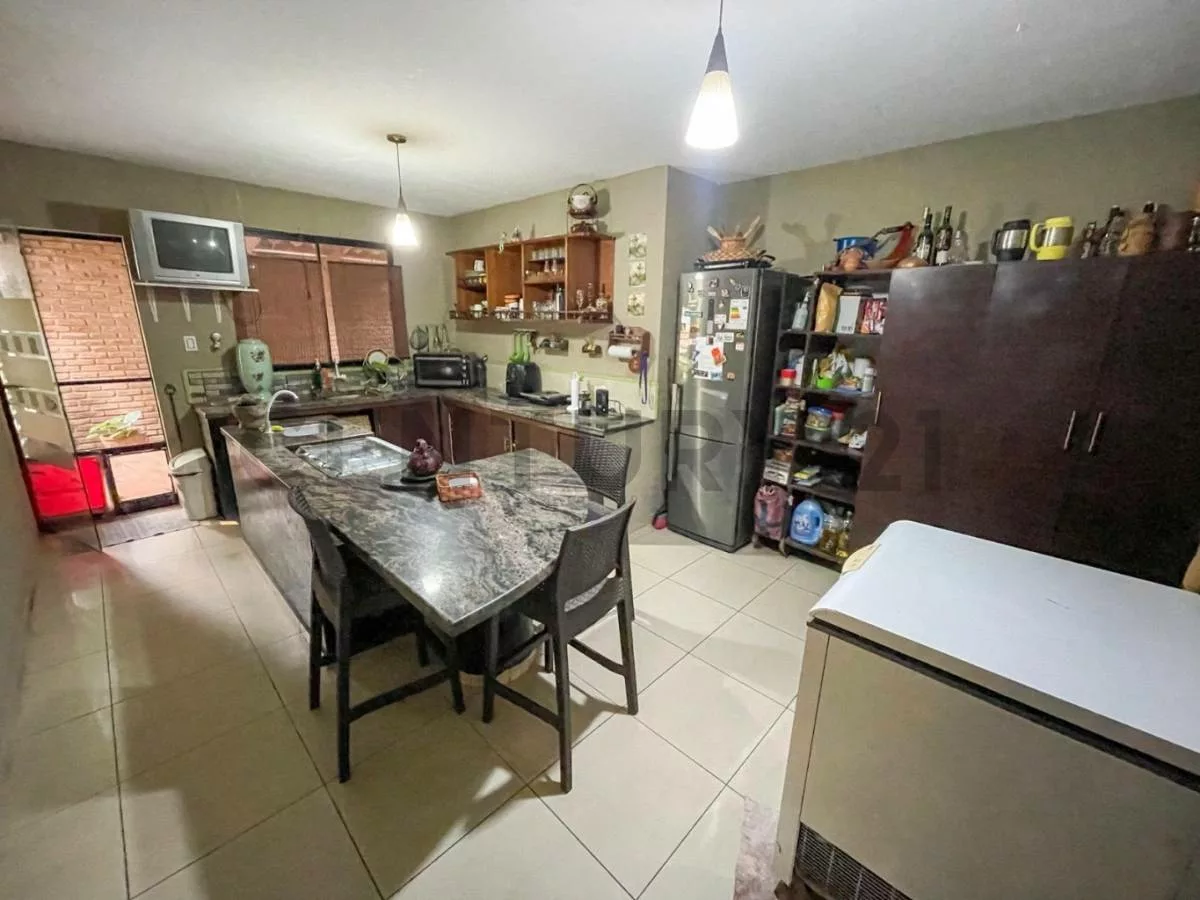
Attach an inventory with dated photos and the condition of floors, walls, glass, fittings, furniture, and equipment. Record utility readings. A handover report protects both sides: the landlord does not attribute old damage to the tenant, and the tenant accepts responsibility for what was actually delivered.
Rent, currency, and proof
Define the amount, legally applicable currency, due date, method, and payment account. Explain what happens when the date falls on a holiday and how partial payments are allocated. The landlord should provide receipts or another record proving payment. Transfers alone do not create clear accounting when the purpose is ambiguous.
Any increase formula should be clear and reviewed under current law. Avoid references that cannot be verified or unilateral decisions. Separate rent from building fees, utilities, taxes, and other charges. The tenant needs the complete monthly cost, and the landlord needs to know which amounts may be charged.
Deposit and return
State the nature and amount of the deposit, who holds it, which obligations it secures, and when it is returned. Establish a supported process for deductions. Do not confuse a deposit with advance rent, brokerage, or a penalty. They are different concepts and may receive different legal treatment.
Agree on a final inspection and time for bills arriving after departure. Ordinary wear is not the same as damage. Reasonable examples help, such as paint aging through normal use versus an unauthorized hole in a wall. Avoid language allowing the entire deposit to be kept without an accounting.
Repairs, maintenance, and utilities
Build a simple responsibility matrix. The owner commonly addresses structural defects and habitability; the tenant preserves the home and answers for damage caused by use. The facts and applicable law still matter. Define how an emergency is reported and who authorizes work.
List water, power, gas, internet, building fees, waste, and common services. State account changes, cutoff dates, and final proof. In a building, attach the regulations and allocate fines. A tenant should not discover after signing that a special assessment had already been approved.
Term, departure, and handover
Set the start, duration, renewal, and notice method within the legal framework. Describe responses to nonpayment, unauthorized use, subletting, damage, or utility failure. Do not include self-help measures such as changing locks or cutting services. Disputes must follow the permitted process.
Departure needs its own procedure: notice, coordinated visits, inspection, keys, meter readings, and a report. Define what happens if either party wants to end early and how pending obligations are calculated. A documented handover closes the relationship better than a final-day conversation.
- Verify identity, ownership, or authority before payment.
- Attach an inventory, photos, readings, and key list.
- Separate rent, deposit, fees, and utilities.
- Define repairs, notices, and the departure report.
Sign after every blank is resolved
Read the agreement, annexes, and inventory as one package. Strike unused blank spaces and obtain a signed copy of everything. Never allow amounts or dates to be completed later. If signatures are notarized or another formality is used, confirm its effect and who keeps originals.
The best test is whether all sides explain the agreement in the same words. If landlord, tenant, and guarantor understand increases, deposit, or departure differently, the document is not ready. Fixing a sentence before moving costs much less than arguing once the relationship has deteriorated.
This guide provides general information, not legal, tax, financial, or investment advice. Confirm current requirements and get advice for your specific transaction.